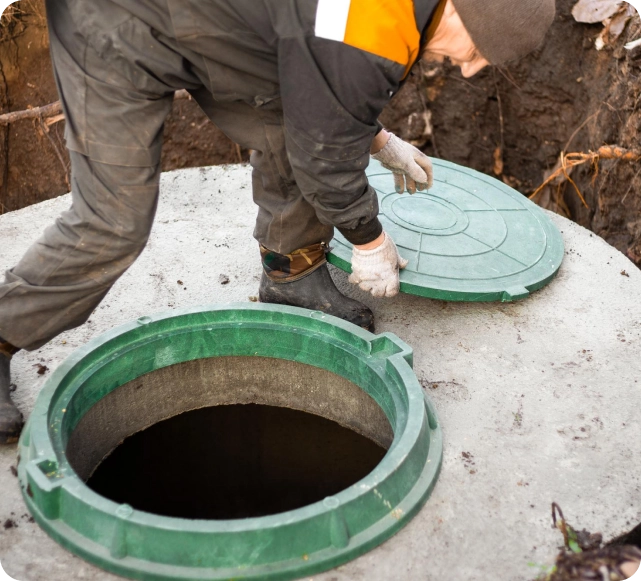
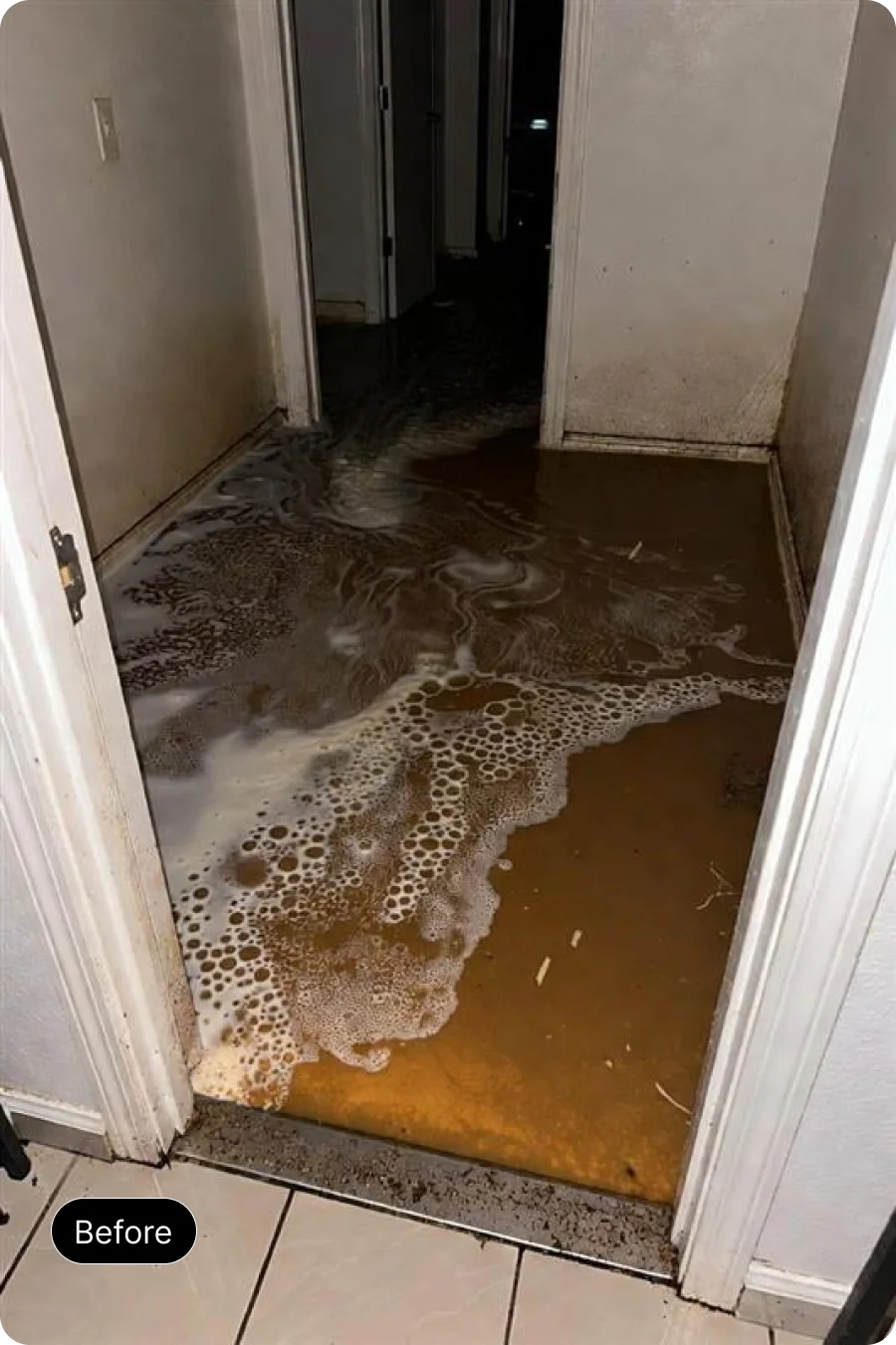
A sewer back-up can be a nightmare for any property owner, leading to severe damage and health risks. Clear signs of a sewer back-up include an overflowing toilet when flushed, foul odors coming from basement drains, and brown water spilling out of shower drains. Ignoring these warning signals only worsens the situation and causes the problem to escalate.

When a sewage line fails, contaminated water can enter your home, bringing harmful viruses and bacteria that pose serious health risks. Sewer back-up is an urgent emergency that requires immediate attention, as it can affect both your property and your well-being. While there are preventative measures to avoid sewer back-ups, they can occur unexpectedly, and when they do, quick action is critical.

If you notice slow drainage, foul sewage smells, overflowing sinks or toilets, or gurgling sounds from your drains, it’s a clear sign of a potential sewer back-up. Don’t wait for the situation to worsen—contact a professional to resolve the issue before it leads to more severe damage and health risks.
Get In Touch

Inspection

The technician arrives at your property and conducts a detailed inspection of the sewer back-up area, utilizing specialized equipment to identify the full extent of the issue.

Establishing a Plan

Our experts assess the source of the problem and develop a clear, actionable plan to resolve the issue efficiently and effectively.

Water Extraction

We use advanced equipment to remove any standing water, preventing further damage and contamination in your home or business.

Clean-Up

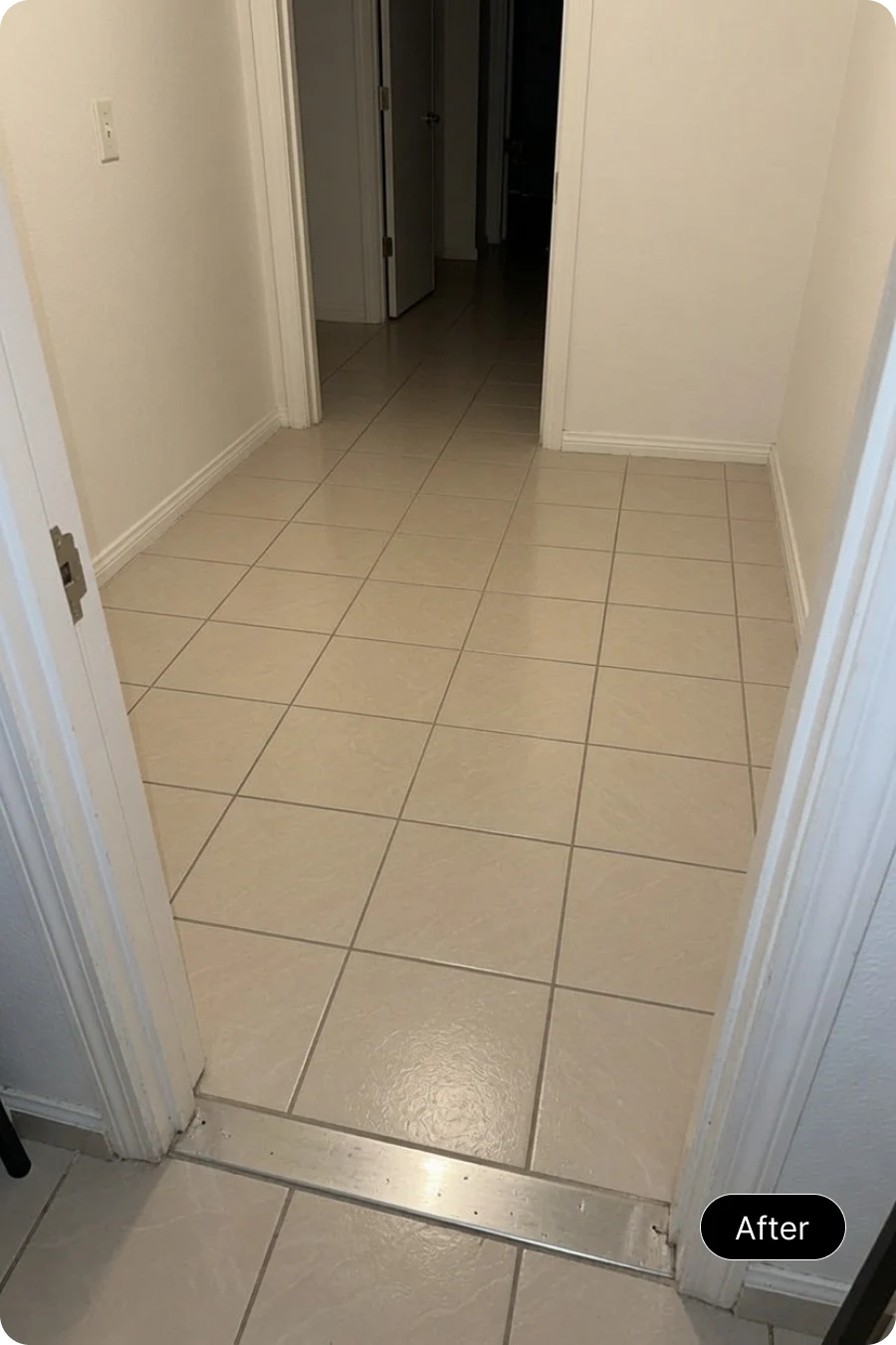
The affected area is thoroughly cleaned and sanitized to eliminate any dangerous residue or contamination, ensuring your space is safe and free of harmful substances.

Sewer blockages can occur for many reasons, including an aging sewage system, excessive rainfall, or septic tank overload. Regardless of the cause, sewer back-ups bring significant challenges and health risks. The contaminated water can carry harmful debris, which is why it’s crucial to clean and dehydrate the area immediately to prevent further damage and health hazards.

  • 24/7 Emergency Services: We’re available anytime you need us, day or night, to handle sewer back-up emergencies.
  • Licensed Professional Plumbers: Our team is made up of certified experts who specialize in sewer back-up and plumbing issues.
  • 15 Years of Experience: With years of experience, we are equipped to handle any sewer back-up problem with expertise and efficiency.
  • Top-Notch Customer Service: We prioritize your satisfaction and provide clear communication every step of the way.
  • Certified Professionals: All of our technicians are certified and trained to handle even the most complex sewer back-up issues.

Is a Sewer Back-Up Dangerous?

Yes, a sewer back-up is highly dangerous. It poses significant health risks, as it can contaminate drinking water with harmful bacteria and pathogens. Additionally, it can cause extensive property damage by ruining floors, furnishings, and walls. Prolonged exposure to sewage can also lead to the growth of mildew and mold, further compromising both the structure and the air quality of your property. Immediate action is required to address the issue and prevent further health hazards and damage.

How to Prevent Frequent Sewer Back-Up?

To prevent frequent sewer back-ups, schedule regular inspections to identify and repair potential issues before they escalate. Immediately replace any old or damaged sewer lines to avoid future blockages. Dispose of greasy materials properly and refrain from flushing anything other than toilet paper to avoid clogging the system.

What Should You Do Before a Sewer Back-Up Cleanup Service Arrives?

While waiting for the professional cleanup service, it’s important to avoid contact with raw sewage to prevent health risks. Wash your clothes and hands thoroughly. Immediately remove any damaged furniture to minimize further harm. Turn off electrical power, open doors and windows to ventilate the area, and switch off the main water supply to your home. Avoid using toilets, sinks, or any water fixtures during this time.